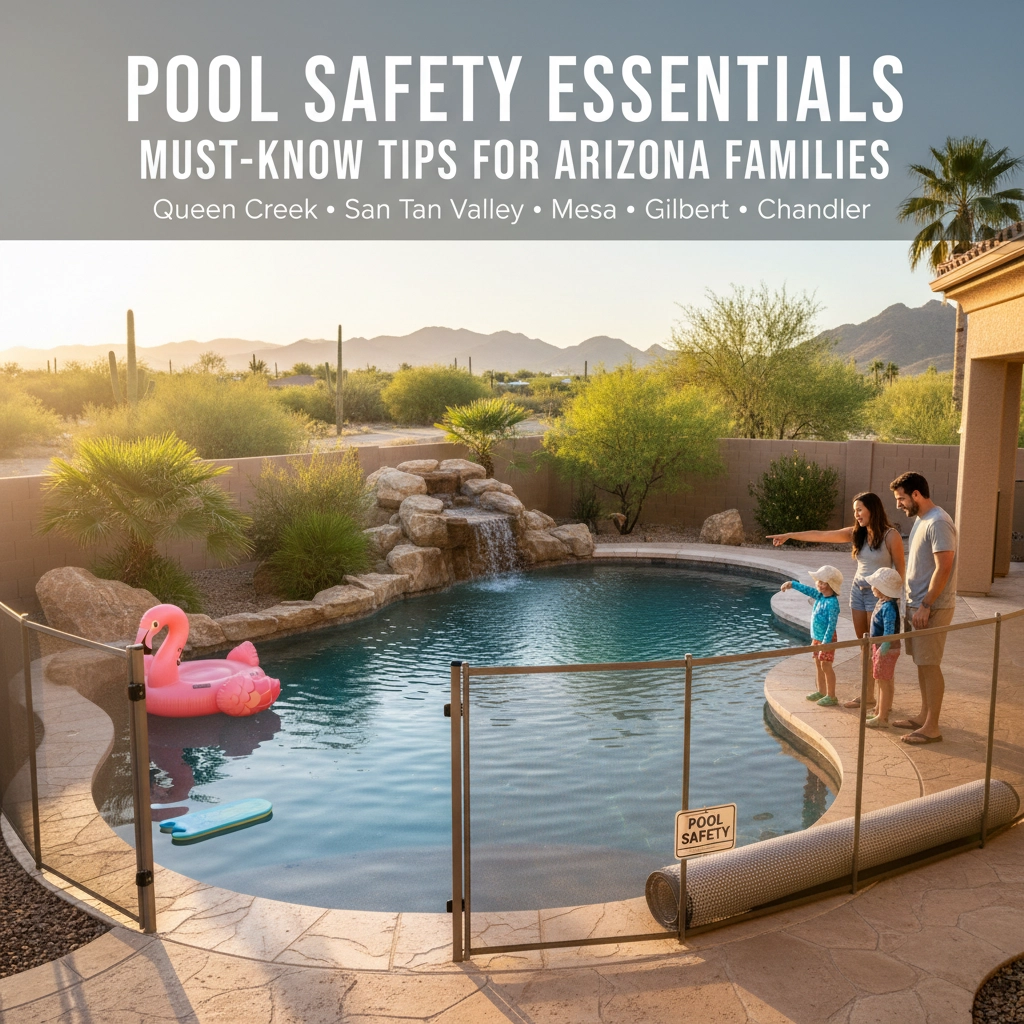
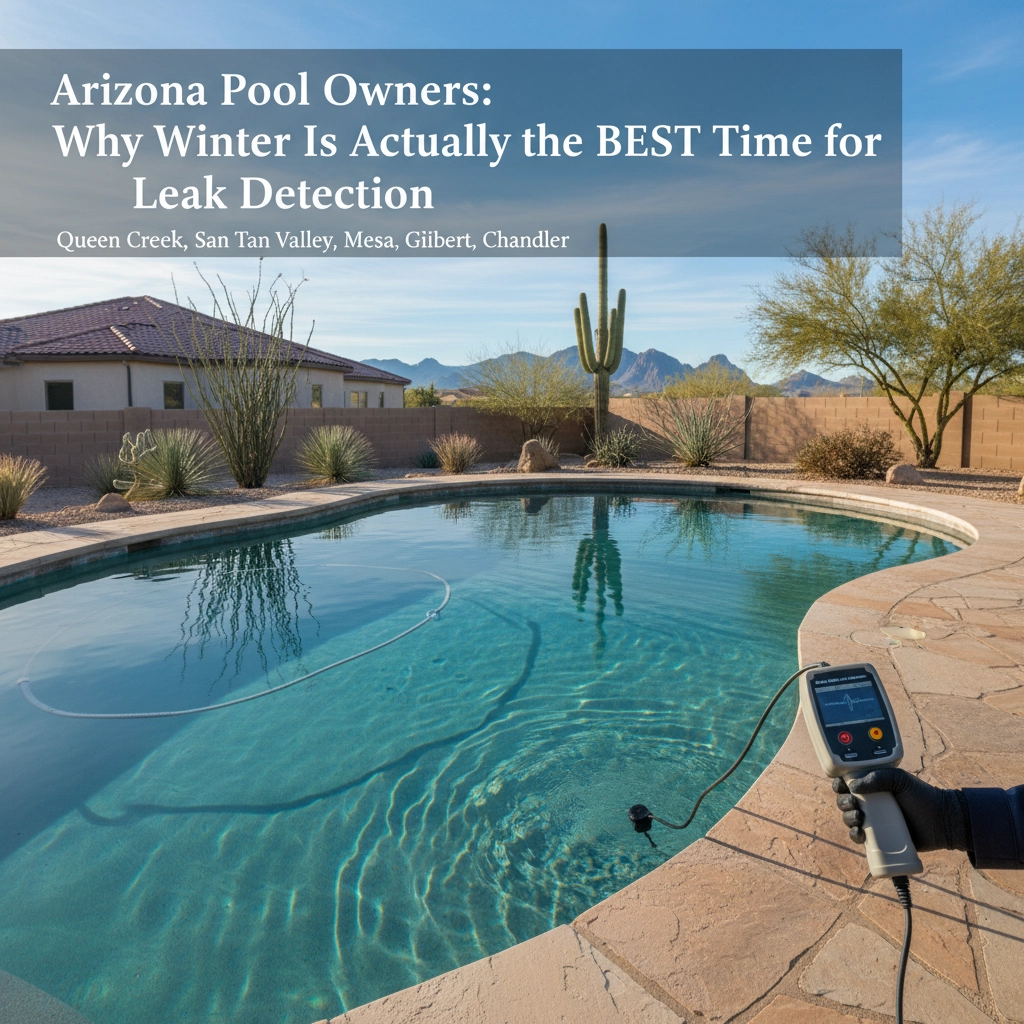
Winter Pool Maintenance Tips for Arizona: Keep Your Pool Pristine in 2025

Arizona's mild winter climate might fool you into thinking your pool doesn't need special attention during the cooler months, but proper off-season maintenance is crucial for protecting your investment. Unlike pools in colder states that require complete shutdowns, Arizona pools: especially in the East Valley areas of Queen Creek, Mesa, Gilbert, and Chandler: need a modified approach to winter care that keeps systems running while adjusting for seasonal changes.
Why Arizona Pools Need Winter Maintenance
Arizona's unique desert climate presents specific challenges during winter months. While freezing temperatures are rare in the Phoenix metro area, the state's dry air, dust storms, and temperature fluctuations can still impact your pool's health. pH levels rise more quickly in cold weather, requiring frequent monitoring and adjustment. Even mild winter days can promote algae growth if your pool isn't properly maintained.
The key difference? You're not winterizing to prevent freeze damage: you're maintaining optimal conditions while reducing operational costs during low-use months.
Essential Pre-Winter Deep Cleaning
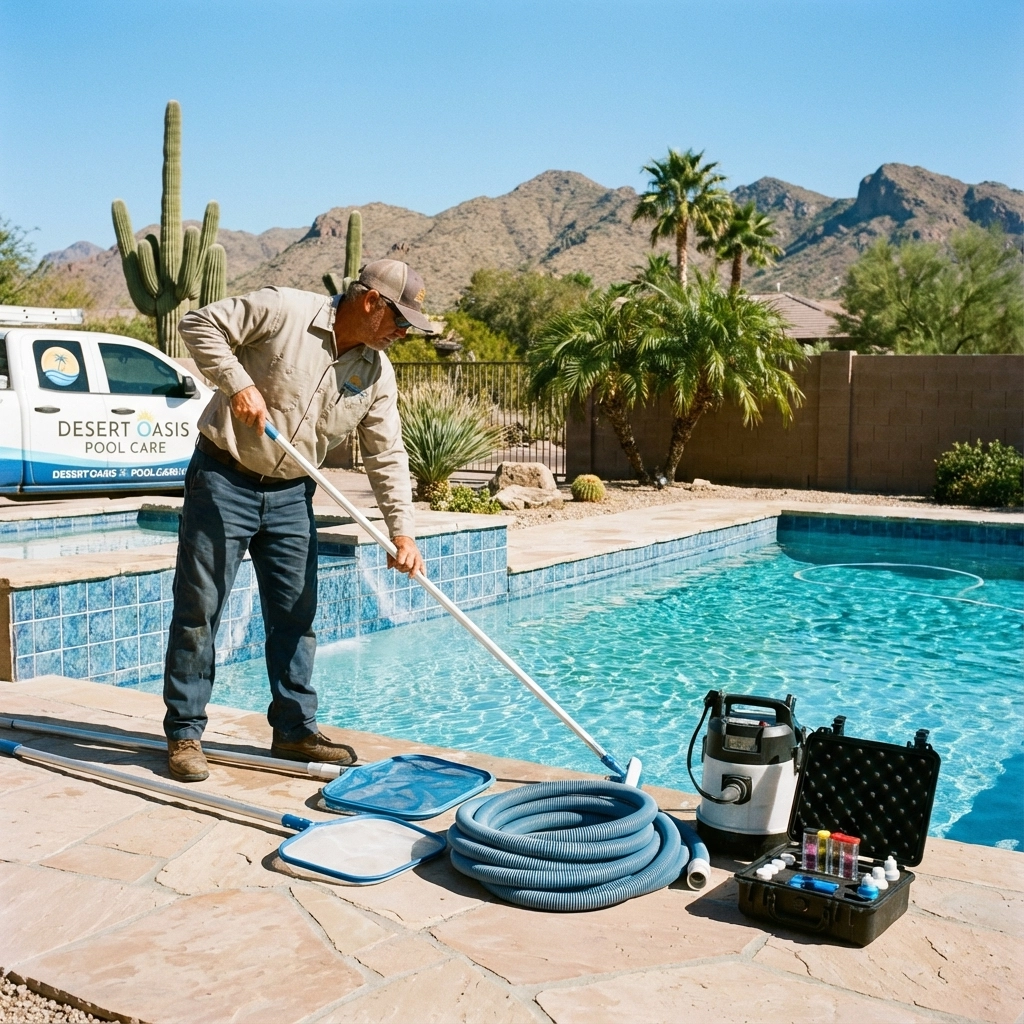
Start your winter preparation with a thorough cleaning that goes beyond your regular maintenance routine. This deep clean sets the foundation for months of easier maintenance ahead.
Surface Cleaning Begin by skimming the entire surface to remove leaves, insects, and debris. Arizona's windy fall season often deposits extra material in pools, so be especially thorough. Pay attention to corners and behind ladders where debris tends to accumulate.
Wall and Floor Care Brush all walls, steps, and floor surfaces to loosen accumulated dirt, dust, and any early algae buildup. Use a stiff brush for plaster surfaces and a softer brush for vinyl or fiberglass. Don't skip the waterline: this area often harbors oils and residue that can cause problems if left untreated.
Thorough Vacuuming Vacuum the entire pool, paying special attention to areas where debris settles. If you're using a manual vacuum, work systematically from shallow to deep end. For automatic cleaners, run a complete cycle and then manually check areas the cleaner might have missed.
Balancing Water Chemistry for Winter
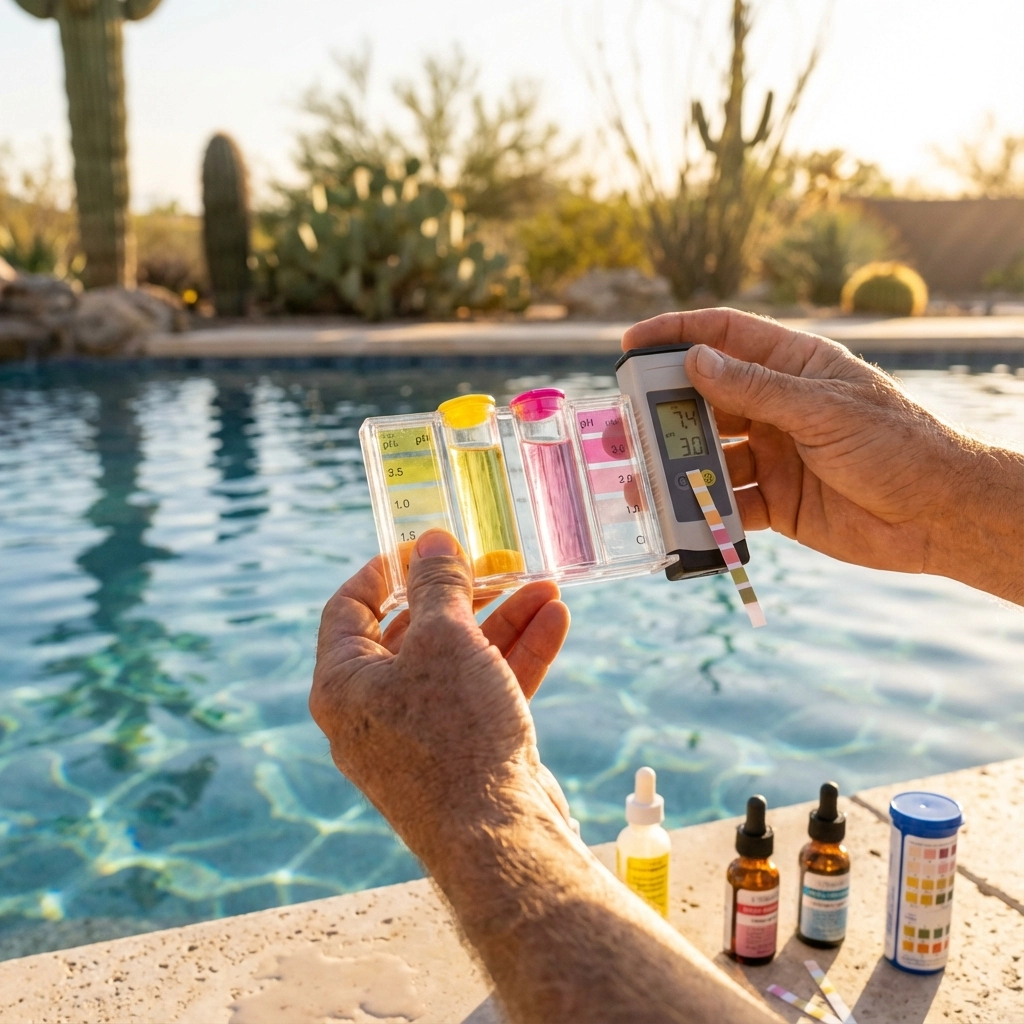
Proper water chemistry becomes even more critical during winter months when pools receive less attention. The goal is achieving a stable chemical balance that requires minimal intervention throughout the season.
Chlorine Levels Maintain chlorine levels between 2-4 ppm: slightly higher than summer levels. This elevated chlorine helps prevent algae growth during periods when the pool receives less circulation and filtration. Add chlorine gradually and allow proper circulation time between additions.
pH Management Monitor pH levels closely, as they tend to rise quickly in cold weather. Keep pH between 7.2-7.6, testing at least twice weekly during the first month of winter operation, then weekly thereafter. High pH reduces chlorine effectiveness and can cause scaling on equipment and surfaces.
Alkalinity and Calcium Total alkalinity should remain between 80-120 ppm to buffer pH changes. Calcium hardness between 150-300 ppm prevents corrosion while avoiding scaling. These levels are particularly important in Arizona's hard water areas like Queen Creek and San Tan Valley.
Winter Algaecide Application Apply a quality algaecide specifically designed for long-term protection. Arizona's mild winter temperatures can still support algae growth, especially during sunny periods when water temperatures rise. Choose a non-foaming algaecide to avoid pump and filter complications.
After making chemical adjustments, run your circulation system for 24-48 hours to ensure even distribution throughout the pool.
Equipment Adjustments for Arizona Winters
Arizona pools benefit from modified equipment schedules rather than complete shutdowns. These adjustments reduce operating costs while maintaining water quality and equipment protection.
Pump and Filter Operations Reduce daily pump run time to 4-6 hours instead of the typical 8-12 hours during summer. Split this time into two cycles: morning and evening: to maintain water circulation while reducing energy costs. If temperatures are forecast to drop near freezing (rare but possible), run pumps overnight to prevent pipe damage.
Water Level Management Lower water level slightly if your pool has raised edges or overflow features to prevent rainwater flooding during winter storms. However, never fully drain Arizona pools: the desert climate can cause significant damage to pool surfaces and plumbing when completely empty.
Heater Maintenance If you won't be using your pool heater during winter, turn it off and ensure proper shutdown procedures. Clean the heat exchanger and inspect for any corrosion or scaling. For gas heaters, ensure pilot lights are extinguished safely. Electric heaters should be disconnected at the breaker panel.
Filtration System Care Clean or replace filter cartridges before winter begins. A clean filter operates more efficiently during reduced circulation periods. For sand filters, consider a thorough backwash and rinse cycle. DE filters should be broken down, cleaned, and reassembled with fresh DE powder.
Specialized Winter Maintenance Tasks
Pump and Skimmer System Disconnect and clean automatic pool cleaners, storing them in a dry location. Clean skimmer baskets thoroughly and inspect for cracks or damage. Clear all lines to automatic cleaners and cap appropriately to maintain proper system pressure.
Pool Accessories and Safety Equipment Remove and store diving boards, slides, and removable ladders. Clean all equipment before storage to prevent deterioration. Pool toys, floats, and cleaning equipment should be cleaned, dried, and stored in a covered area away from direct sunlight.
Deck and Surrounding Area Inspect and clean pool deck areas, looking for cracks or damage that winter weather might worsen. Apply appropriate sealants to concrete or stone surfaces. Ensure proper drainage around the pool area to prevent standing water during winter rains.
Advanced Equipment Protection
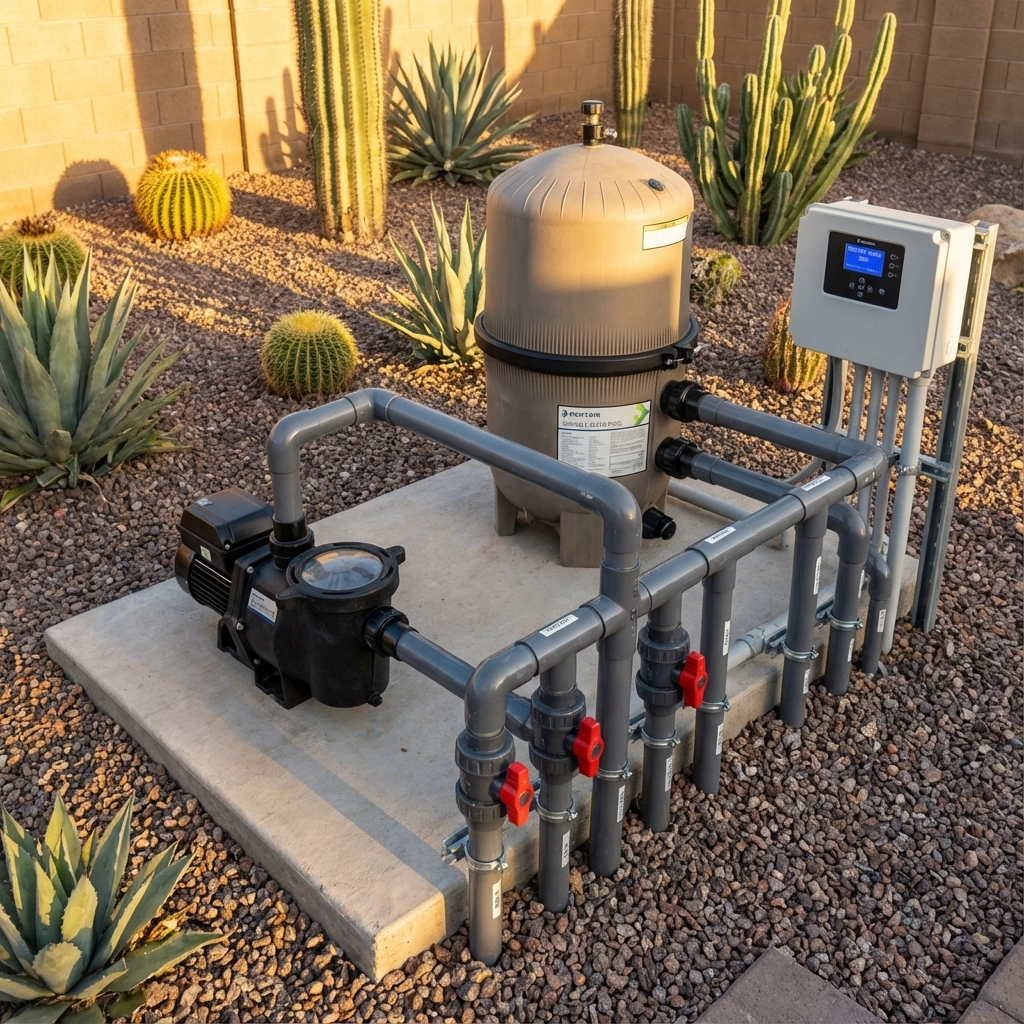
For pools with automation systems, adjust programming for winter schedules. Modern systems often include freeze protection features that automatically activate circulation when temperatures approach freezing: particularly useful in higher elevation areas around the East Valley.
Saltwater pool systems require special attention. Clean salt cells thoroughly and inspect for calcium buildup or corrosion. Reduce salt cell operation time proportionally with overall pump run time. Some systems benefit from periodic acid washing during the winter months to maintain optimal performance.
Variable speed pumps offer excellent energy savings during winter months. Program them for lower speeds during reduced demand periods while maintaining adequate circulation for water quality.
Timing Your Winter Preparations
Mid-December through early January represents the optimal window for winter preparations in Arizona. Since we're currently in mid-December 2025, now is the perfect time to begin these maintenance tasks. This timing allows you to complete preparations before the coldest winter temperatures typically arrive in January.
Plan your winterization over several days rather than rushing through everything in one session. This approach allows you to monitor chemical changes and ensure each step is completed properly before moving to the next.
Ongoing Winter Monitoring
Even with proper preparation, winter pool care isn't a "set it and forget it" process. Plan to check your pool weekly, testing water chemistry and inspecting equipment operation. Monthly deep inspections should include checking for leaks, equipment wear, and any developing problems that could become costly issues if left unaddressed.
Keep basic maintenance supplies readily available throughout winter: test strips or liquid test kits, chlorine, pH adjusters, and a quality pool brush. Having these items on hand allows you to address small problems before they become major headaches.
Professional Support When Needed
While many winter maintenance tasks are DIY-friendly, don't hesitate to call professionals for complex equipment issues or persistent water quality problems. If you're in our service areas of Queen Creek, Mesa, Gilbert, or Chandler, Complete Aquatic Solutions offers winter maintenance services and can help troubleshoot any challenges you encounter.
For additional DIY guidance, check our comprehensive guides and training resources to build your pool maintenance confidence throughout the year.
Arizona's unique climate demands a thoughtful approach to winter pool care. By following these guidelines and maintaining consistent attention to your pool's needs, you'll protect your investment and ensure a smooth transition back to regular use when warm weather returns. The key is understanding that Arizona winter maintenance is about optimization and protection rather than complete hibernation: keeping your pool healthy and ready for year-round enjoyment.