DIY Pool Repair Secrets Revealed: What Pool Companies Don't Want You to Know (Virtual Help Available)
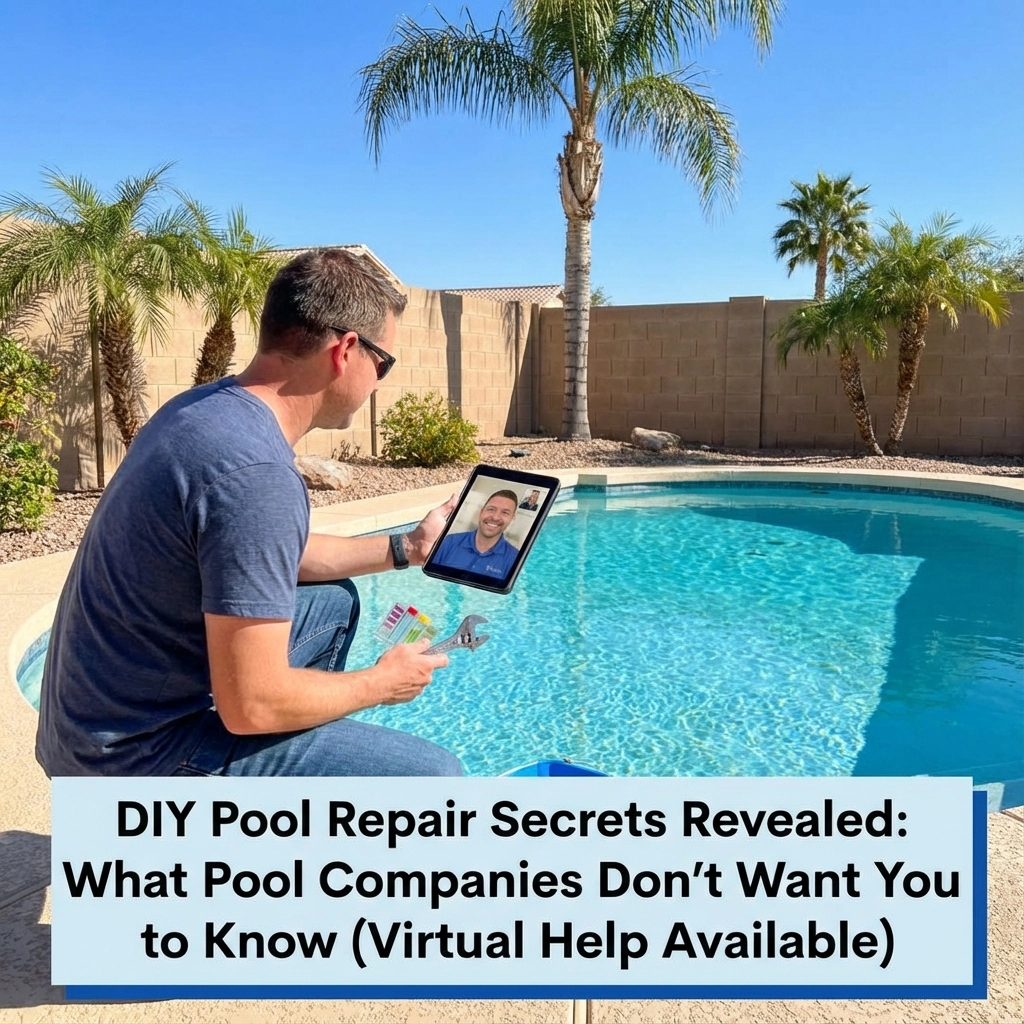
Pool companies aren't necessarily hiding secrets from you, but they're definitely not advertising how many common repairs you can handle yourself with the right guidance. As Queen Creek and East Valley homeowners face rising service costs, knowing which repairs you can tackle (and which you shouldn't) can save you hundreds while keeping your pool in perfect condition.
The game-changer? Virtual expert support that walks you through complex repairs in real-time, giving you professional guidance without the service call fees.
The Real Truth About Pool Company Markups
Here's what most pool service companies won't tell you upfront: many "emergency" repairs that cost $200-400 in service fees are actually 20-minute DIY fixes. The markup isn't just on parts, it's on knowledge and convenience. A simple pump basket cleaning billed as "circulation system maintenance" can cost $150, while the actual fix takes five minutes and requires no special tools.
The key is knowing which repairs fall into the DIY-safe category versus those requiring professional intervention. Getting this wrong can turn a $50 fix into a $1,500 nightmare.
Essential DIY Leak Detection That Actually Works
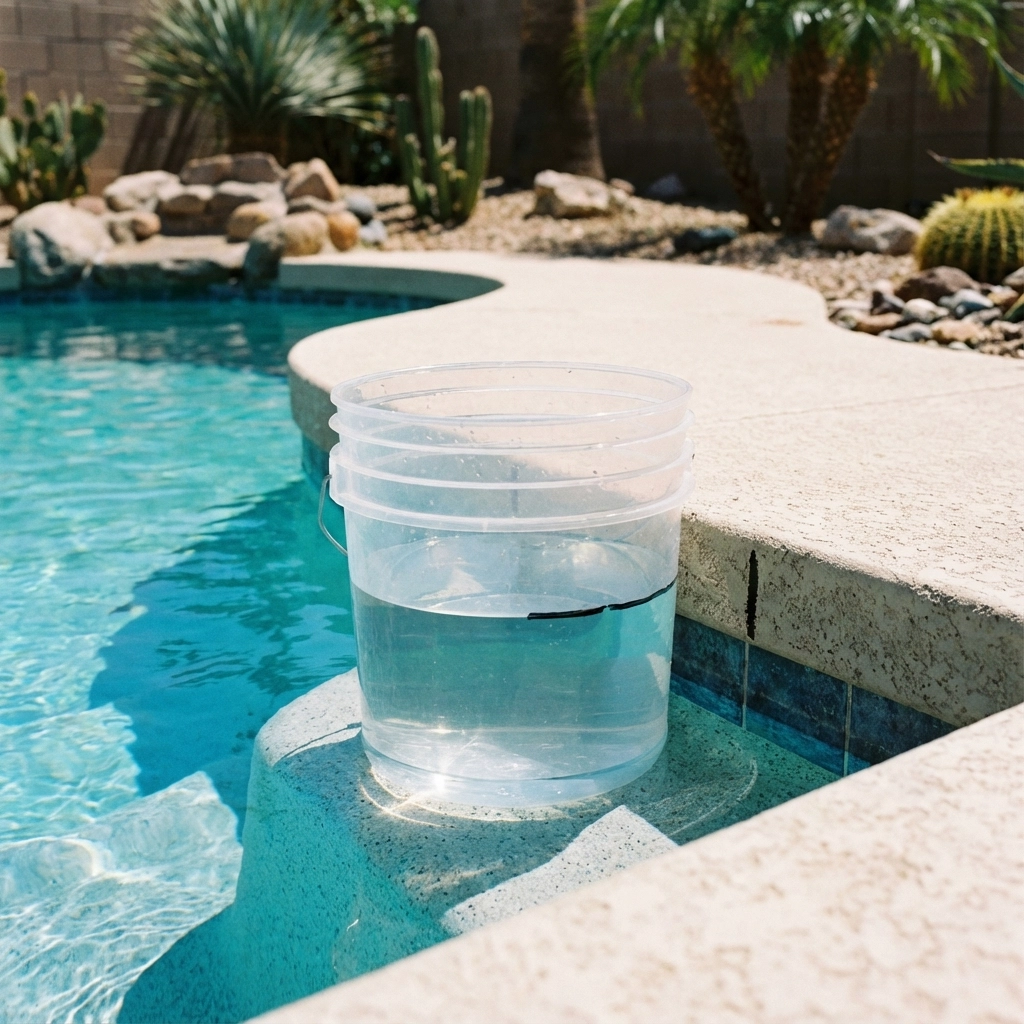
Water loss exceeding ¼ inch per day signals a leak, but here's the insider method for pinpointing it yourself: the professional bucket test. Place a bucket on your pool step, fill it to match your pool's water level, and mark both levels. After 24 hours, if your pool drops more than the bucket, you have a confirmed leak.
For leak location, pool techs use food coloring near suspected areas, skimmers, lights, return lines. The dye moves toward the leak source, revealing exactly where to focus your repair efforts. This technique alone can save you a $200 leak detection service call.
Pro tip: Check your equipment pad first. Most "mysterious" leaks are actually visible around pump connections, filter housings, or valve assemblies. Look for wet spots, mineral deposits, or that telltale hissing sound that screams "leak here."
The 6 DIY Repairs Pool Companies Charge Big For
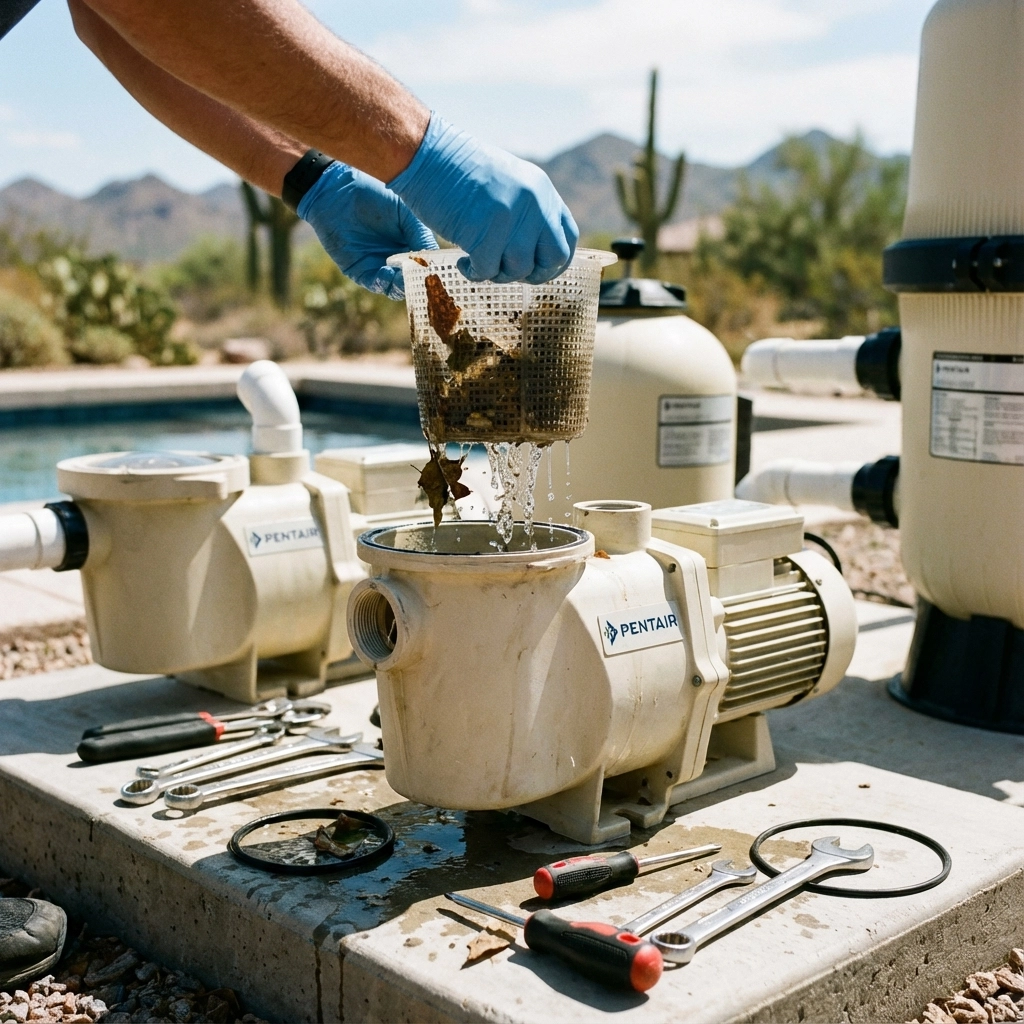
1. Pump Basket and Skimmer Basket Replacement
Service Cost: $100-150 | DIY Cost: $15-25This is the most overcharged repair in the industry. Turn off your pump, remove the pump lid (twist counterclockwise), lift out the old basket, and replace it. Clean the housing while you're there. The entire process takes 10 minutes.
2. Small Crack Repair in Concrete Pools
Service Cost: $200-400 | DIY Cost: $30-50For cracks smaller than ¼ inch, use hydraulic cement or pool patch compound. Clean the crack thoroughly, slightly widen it with a grinder for better adhesion, apply the patch material, and smooth. The secret is surface preparation, any grease, algae, or loose material will cause failure.
3. Vinyl Liner Patch Jobs
Service Cost: $150-250 | DIY Cost: $10-20Cut a circular patch 1 inch larger than the damage, apply underwater adhesive (yes, it works underwater), and press firmly while smoothing out air bubbles. Start from the center and work outward. Most patches fail because people skip the edge-smoothing step.
4. Filter Cartridge Deep Cleaning
Service Cost: $80-120 | DIY Cost: $15Rotate cartridges every 2 weeks, deep clean with filter cleaner solution monthly. The professional secret: soak overnight in a trash can with proper cleaner-to-water ratios. Rinse thoroughly before reinstalling. This extends cartridge life from 6 months to 12+ months.
5. Automatic Pool Cleaner Troubleshooting
Service Cost: $150-200 | DIY Cost: $0-30Most cleaner issues stem from improper water flow or clogged components. Check your pump basket first, ensure proper suction, clean the cleaner's intake, and verify hose connections. Pool companies often sell you parts you don't need.
6. Basic Plumbing Valve Repairs
Service Cost: $200-350 | DIY Cost: $20-60Leaking valve stems usually need O-ring replacement or valve handle tightening. Turn off equipment, remove the handle, replace worn O-rings with exact matches from your local pool supply store. The trick is photographing the original assembly before disassembly.
When DIY Becomes Dangerous (Don't Risk It)
Some repairs look simple but hide serious risks. Never attempt electrical work around pools: GFCI issues, light replacements, or pump motor problems require licensed professionals. Underground plumbing repairs can cause catastrophic flooding if done incorrectly.
Major structural cracks, equipment replacements, or anything involving pool decking should stay in professional hands. The liability alone isn't worth the savings.
Virtual Expert Support: Game-Changing Technology for DIYers
Here's where 2024 changed everything for pool owners: virtual expert consultations that guide you through repairs in real-time. Instead of guessing your way through a repair or paying for an expensive service call, you can get professional guidance via video chat.
This technology bridges the gap between DIY and professional service. You get expert eyes on your specific problem, step-by-step guidance, and confirmation you're doing it correctly: all for a fraction of traditional service costs.

For complex diagnostics, our AI Pool Technician Billy provides instant troubleshooting based on your specific symptoms and pool setup. It's like having a pool tech in your pocket, available 24/7.
Queen Creek and East Valley Specific Considerations
Arizona's extreme temperatures and hard water create unique challenges that affect DIY repair success. Summer heat makes plastic components brittle: handle pump lids and valve handles with extra care during peak temperatures. Our hard water accelerates calcium buildup, making filter cleaning more frequent and intensive than in other regions.
Dust storms in Mesa, Gilbert, and Chandler areas clog skimmer baskets faster, requiring more frequent cleaning. San Tan Valley's newer developments often have specific equipment brands that need precise part matching: always photograph your equipment model numbers before ordering replacements.
The Professional Partnership Approach
Smart DIY doesn't mean never calling professionals. It means choosing when to invest in expert help strategically. Use DIY for routine maintenance and minor repairs, but leverage professional virtual guidance for complex diagnostics and comprehensive DIY resources for ongoing education.
This hybrid approach typically reduces annual pool maintenance costs by 40-60% while maintaining optimal performance. You're not replacing professional service: you're supplementing it intelligently.
Essential Tools Every DIY Pool Owner Needs
Build your toolkit gradually, but start with these essentials: adjustable wrench set, screwdriver set, pool brush, test strips, basic cleaning chemicals, spare O-rings in common sizes, and a good flashlight for equipment inspections.
Keep a maintenance log with photos of your equipment model numbers, filter change dates, and chemical readings. This documentation proves invaluable during virtual consultations and helps track patterns in your pool's behavior.
Moving Forward: Your DIY Success Plan
Start small with basket cleaning and basic maintenance, then progress to minor repairs as confidence builds. Document everything with photos: before, during, and after shots help with future reference and virtual consultations.
Remember: the goal isn't to become a pool technician, but to handle routine tasks efficiently and know when to seek expert guidance. With virtual support options and comprehensive online resources, Queen Creek pool owners now have unprecedented access to professional knowledge without traditional service call costs.
The real secret? Pool care doesn't have to be mysterious or expensive when you have the right knowledge and support system. Take control of your pool maintenance, save money, and enjoy crystal-clear water all season long.