The Great Arizona Evaporation: Is Your Pool Level Dropping or Leaking?
![[HERO] The Great Arizona Evaporation: Is Your Pool Level Dropping or Leaking?](https://cdn.marblism.com/UHsLJATW9uF.webp)
It’s Monday, March 2, 2026, and if you’re living here in the East Valley: whether you’re in Mesa, Gilbert, or down in Queen Creek: you’ve probably noticed the shift. The mornings are crisp, the afternoons are hitting that beautiful 80-degree sweet spot, and Spring Break is just around the corner.
But with this gorgeous weather comes a classic Arizona homeowner’s anxiety: “Is my pool leaking, or is it just the sun?”
I get this call at least five times a day this time of year. You look out at the tile line and realize the water has dropped an inch since last Tuesday. Your mind immediately goes to the worst-case scenario: a cracked shell, a busted underground pipe, or a massive repair bill.
Before you panic and call out a leak detection specialist, let’s talk about the science of the desert. Out here, we deal with "The Great Arizona Evaporation," and it’s a lot more aggressive than people think. I’m Jeff, and today I’m going to walk you through how to tell the difference between a thirsty desert sky and a legitimate plumbing problem.
The Spring Shift: A Recipe for Water Loss
In Arizona, spring isn't just a season; it's a giant dehumidifier for your backyard. We are currently seeing 80-degree days paired with 50-degree nights. This 30-degree temperature swing is the perfect recipe for evaporation.
When the air is dry (low humidity) and the temperature of your pool water is significantly warmer than the air at night, the water molecules literally jump out of the pool to try and "moisturize" the atmosphere. If you’ve ever seen a light mist or steam coming off your pool during a cool March morning, you’re watching your water: and your money: evaporate in real-time.
On average, a pool in Mesa or Chandler can lose about 1/4 inch to 1/2 inch of water per day during the height of the dry season. Over a week, that’s a significant drop on your tile. But how do you know if it’s just evaporation?
The "Bucket Test": Your $2 DIY Leak Detection
Before you pay for a professional service, you need to run the "Bucket Test." This is the gold standard for DIYers and it’s incredibly accurate. It accounts for the exact weather conditions occurring in your specific backyard in San Tan Valley or Gilbert.
How to do it: 1. Get a 5-gallon bucket. Fill it with pool water. 2. Set it on the first or second step of your pool. This ensures the water in the bucket stays at the same temperature as the pool water. 3. Mark the water levels. Use a piece of duct tape or a Sharpie to mark the water level inside the bucket. Then, mark the pool’s water level on the outside of the bucket (or on the pool tile). 4. Wait 24 to 48 hours. Turn off any water features (fountains, waterfalls) during this time. 5. Compare. If the water level in the pool has dropped significantly more than the water level in the bucket, you’ve got a leak. If they dropped the same amount? That’s just the Arizona sun doing its thing.
For more detailed walkthroughs on these kinds of tests, check out our DIY guides.
The Auto-Fill Danger: The Silent Water Waster
Many homeowners in Queen Creek and Chandler have an "auto-fill" valve. Think of it like the float in your toilet tank. When the water level drops, the valve opens and refills the pool.
The problem? An auto-fill can mask a massive leak. If your pool has a hole in the liner or a cracked pipe, the auto-fill will just keep running to keep the pool "full." You won’t see the water level drop, but you will see your water bill skyrocket.
I’ve seen cases where a stuck-open auto-fill or a hidden leak resulted in 60,000 gallons of wasted water in a single month. If you suspect something is wrong, shut off the water supply to your auto-fill for 24 hours and see if the water level plummets. If it does, you need to find that leak fast.
Hardware Check: Looking for the "White Crusty Stuff"
Sometimes the leak isn't underground; it’s right in front of you at the equipment pad. I tell my clients to look for the "white crusty stuff." This is calcium and salt buildup that occurs when water slowly drips and evaporates, leaving the minerals behind.
The Pump Seal
Check your pump. If you see water pooling under the middle of the pump, or if there’s a thick white residue on the seal plate, your mechanical seal is likely shot.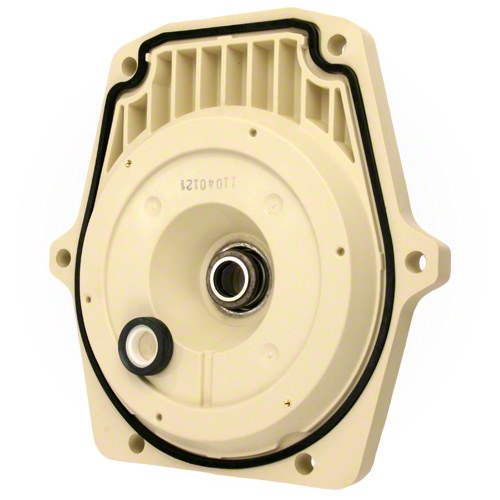
This seal prevents water from entering the motor. If it leaks, it won't just waste water: it will eventually fry your expensive motor. If you need to identify parts for your specific pump, we have a library of manuals and diagrams to help you out.
The Backwash Valve
If you have a DE or sand filter, check the backwash line. Sometimes the internal gaskets in the multi-port valve or the "push-pull" valve wear out. This allows water to constantly trickle out of the pool and down the waste line where you can't see it. Feel the end of the backwash hose; if it’s wet inside when the pump is running (and you aren’t backwashing), you’ve found your leak.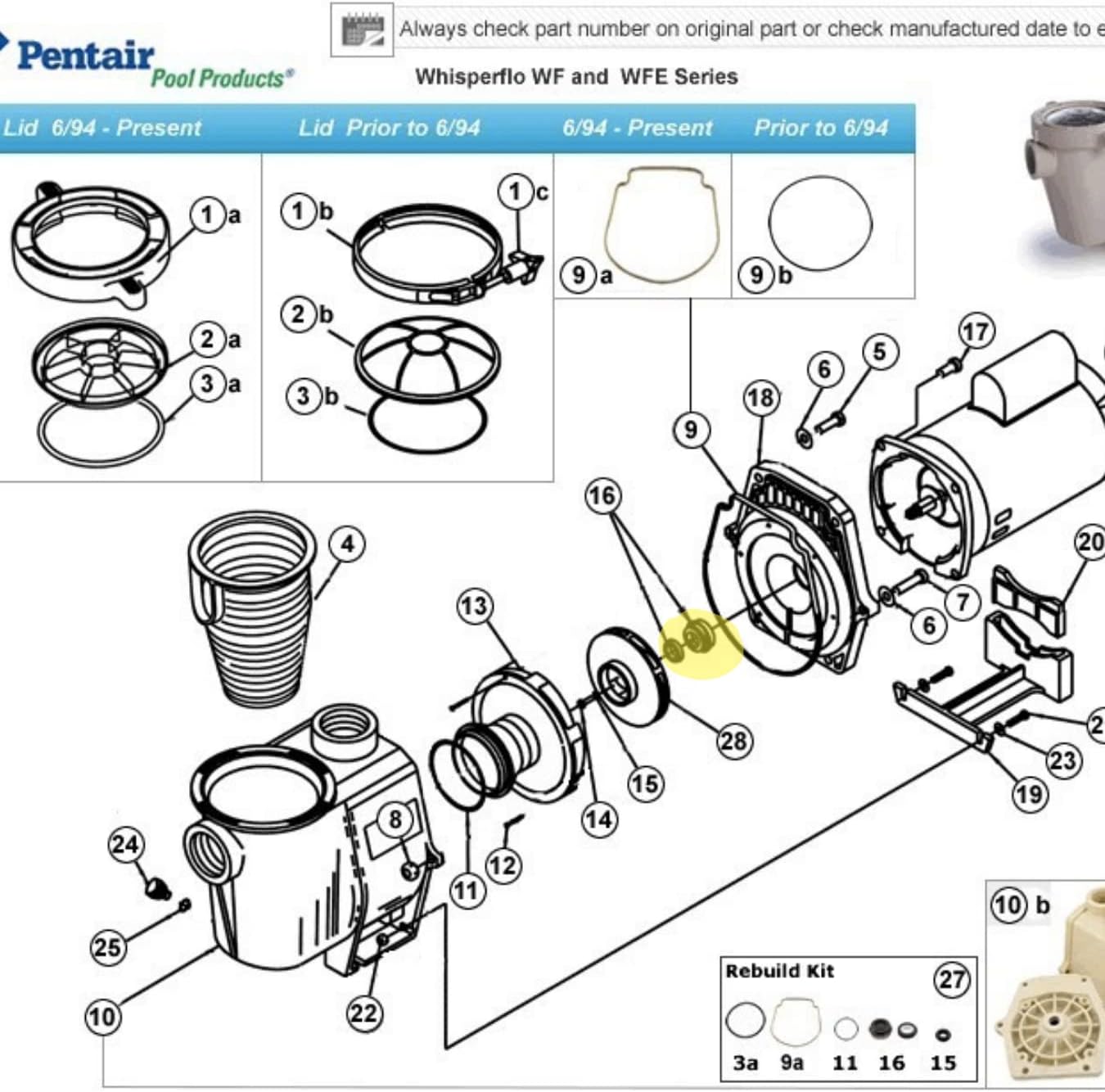
Clean Water = A Better Seal
One thing people overlook is how debris affects your pool's "tightness." When dirt and grit get into the system, they can act like sandpaper on your O-rings and seals.
I'm a big fan of the Pentair Rebel Suction Side Cleaner. It’s a beast at keeping the floor of your pool clear of the desert sand and pebbles that eventually find their way into your pump basket and chew up your seals. By keeping the water cleaner at the source, you're actually extending the life of your equipment's seals.
You can find the Pentair Rebel on Amazon here. It's one of the best investments for an Arizona pool owner who wants to minimize mechanical repairs.
Testing the Baseline: Chemical Dilution
If you aren't sure about the bucket test, there’s another "detective" method: chemical analysis.
When you have a leak and your auto-fill is constantly adding fresh water, your chemical levels will dilute rapidly. Specifically, look at your Cyanuric Acid (CYA) and Calcium Hardness. These levels shouldn't drop significantly over a week unless you are physically removing water and replacing it.
I always recommend the Taylor K-2006 Test Kit. It’s the industry standard. If you test your CYA on Monday and it's at 50 ppm, and by next Monday it's at 30 ppm: but you haven't backwashed or drained any water: that water is going somewhere, and it’s taking the chemicals with it.
When to Call the Pros
DIY is great for identifying the problem, but some things require a professional touch. If you’ve done the bucket test and confirmed a leak, or if you see that "white crusty stuff" taking over your pump, don't wait. A small drip today is a flooded equipment pad tomorrow.
At Complete Aquatic Solutions, we specialize in making sense of your pool's quirks. Whether you need professional leak detection, a pump seal replacement, or just want a reliable team to handle your weekly maintenance in Mesa, Gilbert, or Chandler, we've got you covered.
We serve the entire East Valley, including: Queen Creek San Tan Valley Gilbert Chandler
Don't let "The Great Arizona Evaporation" turn into a great big headache. Grab a bucket, check your seals, and if things don't look right, give us a shout. We’re here to help you keep your water where it belongs: in the pool!

Need help now? Explore our FAQ page for quick answers or contact us through our main website to schedule a service call. Let’s get your pool ready for Spring Break!