Pool Safety Essentials: Must-Know Tips for Arizona Families
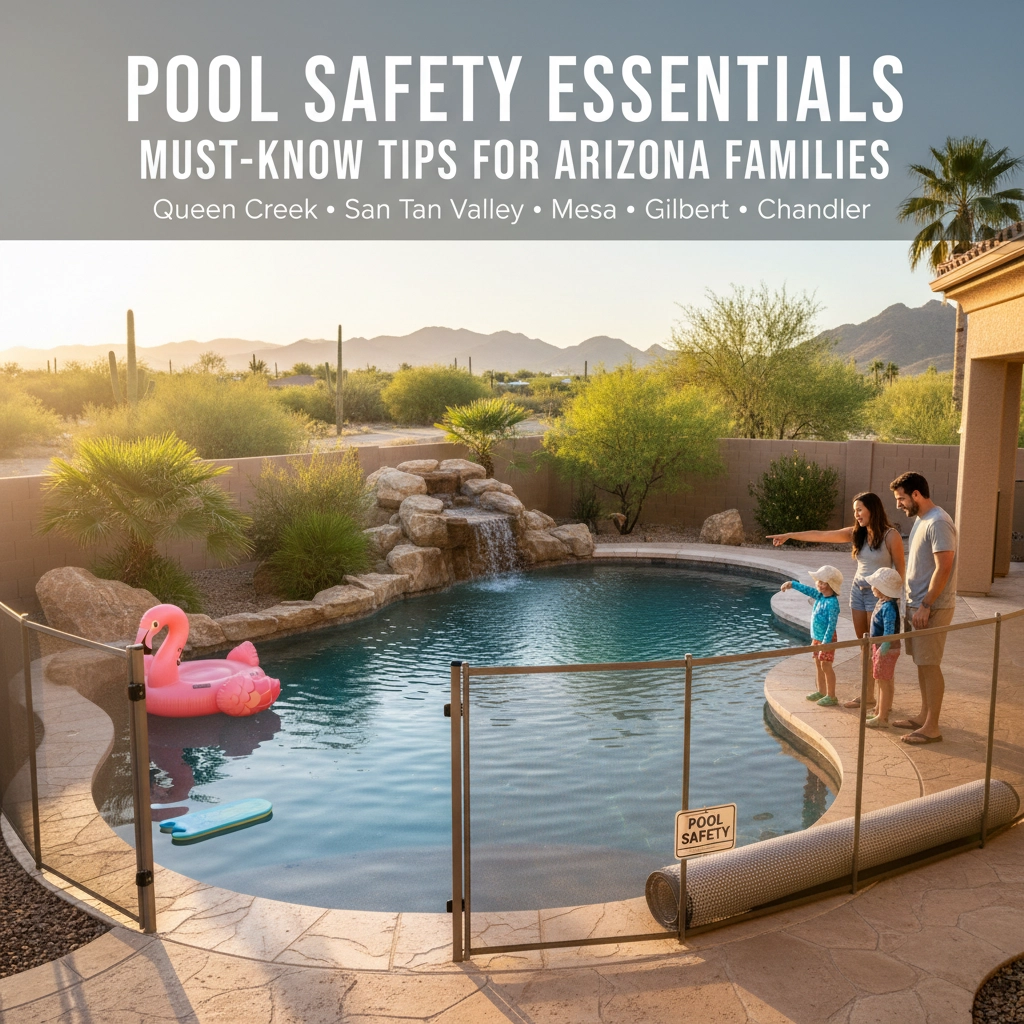
Arizona's year-round swimming weather means our pools get more use than anywhere else in the country. While that's great for family fun and property values, it also means we need to be extra vigilant about pool safety. In Arizona, drowning is the leading cause of death for children ages 1-4, with 70% of toddler drownings occurring during non-swim times when families are simply going about their daily routines.
The good news? Pool drowning is 100% preventable when you implement multiple layers of protection. Think of pool safety like a security system for your home: you wouldn't rely on just a door lock. You'd want door locks, window locks, maybe an alarm system, and good lighting. Pool safety works the same way.
Let's walk through the essential safety measures every Arizona family needs to know, whether you're in Queen Creek, Mesa, Gilbert, Chandler, or San Tan Valley.
Layer 1: Proper Barriers and Fencing
Arizona law requires a barrier around your pool if children under five live in or regularly visit your home. But here's what the law doesn't tell you: not all fencing is created equal.
The Gold Standard: Four-Sided Isolation Fencing
Your pool should be completely isolated from your house and yard with a minimum 5-foot fence. Many homeowners make the mistake of using their house as one side of the barrier: this defeats the purpose. Children can easily slip out of the house and access the pool area.
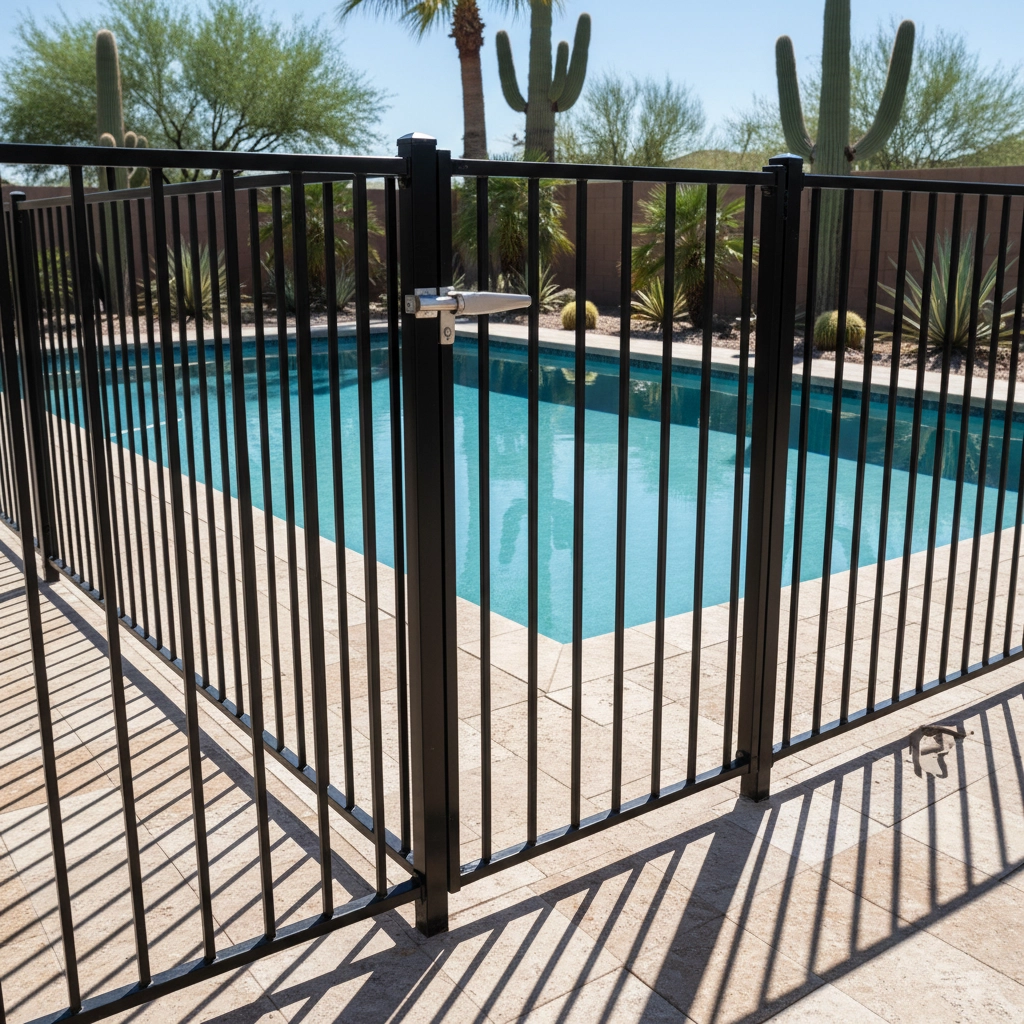
Your fence should have:
- No horizontal rails that children can climb
- Vertical slats spaced no more than 4 inches apart
- No gaps at the bottom larger than 4 inches
- Self-closing, self-latching gates that open away from the pool
- Stay within arm's reach of children who can't swim
- Keep constant visual contact with all children
- Know how to swim and perform CPR
- Have a rescue plan ready
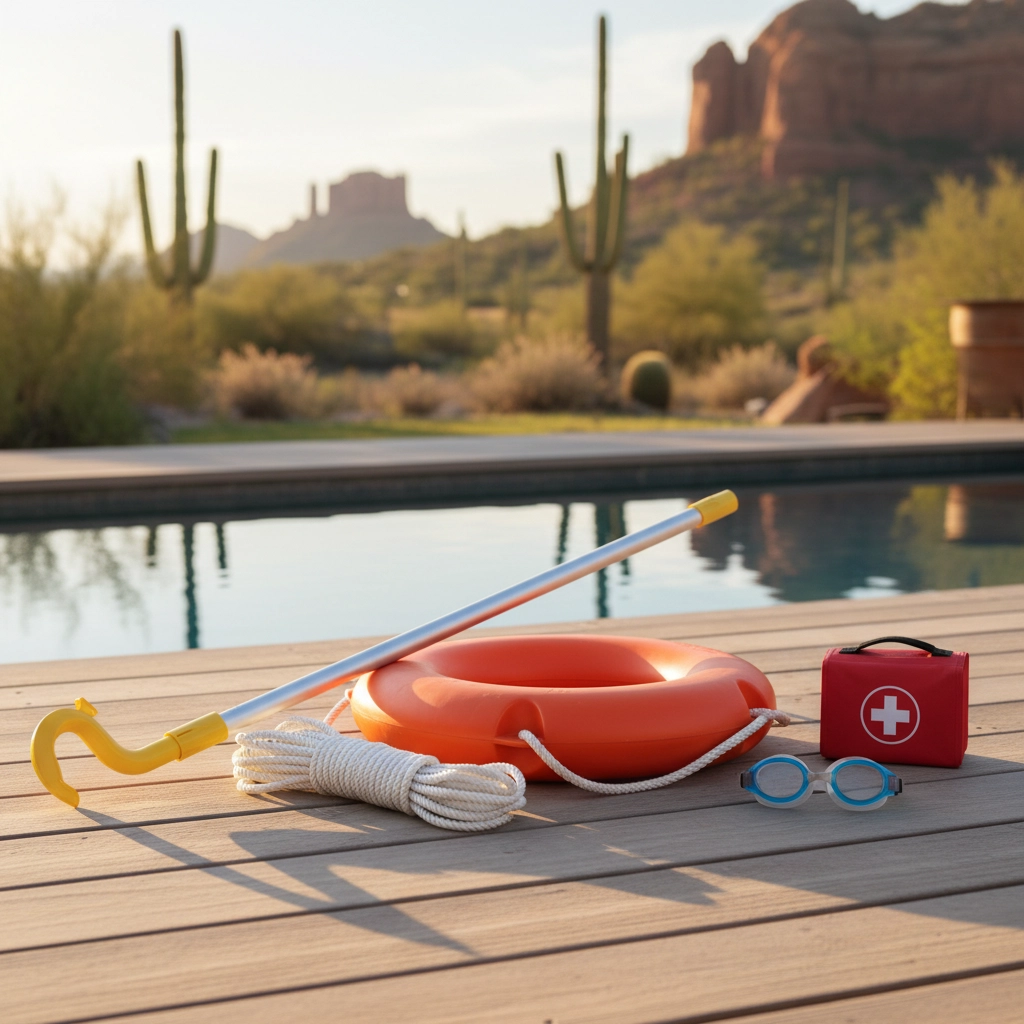
- A long pole (at least 12 feet) with a hook
- A life ring or rescue tube with rope
- First aid kit in a waterproof container
- Emergency contact numbers posted clearly
- Always ask permission before going near water
- Never swim alone: use the buddy system
- Walk, don't run, around pools
- Enter feet-first unless you've been taught to dive safely
- If you fall in, flip to your back and float
- Pool decks can reach 150°F+ during summer months
- Provide shade structures and non-slip surfaces
- Keep pool chemicals properly stored: heat accelerates chemical reactions
- Secure all pool furniture and equipment before storms
- Check that safety equipment hasn't been damaged by winds
- Ensure pool covers are properly secured or removed entirely
- Never reach into areas they can't see clearly
- Alert adults immediately if they see snakes, scorpions, or javelinas near the pool
- Use pool lights when swimming at dusk or night
- Test all gate latches and hinges
- Check fence integrity: look for loose posts or damaged slats
- Test pool alarm systems (replace batteries as needed)
- Inspect rescue equipment for UV damage
- Verify that safety equipment is easily accessible
- Check that pool area remains clear of climbable objects
- Professional inspection of all electrical components
- Deep clean and test all alarm systems
- Replace any damaged or weathered safety equipment
- Update emergency contact information
- Refresh CPR training for family members
- You're unsure about your current safety measures
- You're planning pool renovations
- You have children with special needs
- You frequently host large gatherings
Gate Maintenance: The Weak Link
Gates are where most barrier failures occur. Test your gate weekly: 1. Does it close completely on its own? 2. Does the latch engage automatically? 3. Can you open it from the outside? 4. Is the latch at least 54 inches from the ground?
Pro tip: Oil your hinges monthly during Arizona's monsoon season. The humidity can cause latches to stick or fail.
Layer 2: Constant Adult Supervision
Here's a sobering fact: it takes just 20-60 seconds for a child to drown, and drowning is often silent. That Instagram notification or doorbell can literally be a matter of life and death.
The Water Watcher System
When children are in or around water, designate one adult as the "Water Watcher." This person's only job is watching the kids: no phones, no conversations, no multitasking. Use a timer and rotate this responsibility every 15 minutes to prevent attention fatigue.
Water watchers should:
The 10/20 Rule
Professional lifeguards follow the 10/20 rule: scan the entire pool area every 10 seconds and be able to reach any swimmer within 20 seconds. Apply this same standard when you're the designated water watcher.
Layer 3: Pool Alarms and Technology
Modern pool safety technology can provide an extra set of eyes when you need them most. However, remember that alarms supplement: never replace: proper supervision and barriers.
Types of Pool Alarms:
1. Surface Motion Detectors: Detect waves on the pool surface 2. Underwater Motion Detectors: Sense movement below the surface 3. Gate Alarms: Alert you when someone opens the pool gate 4. Door Alarms: Notify you when doors leading to the pool area open
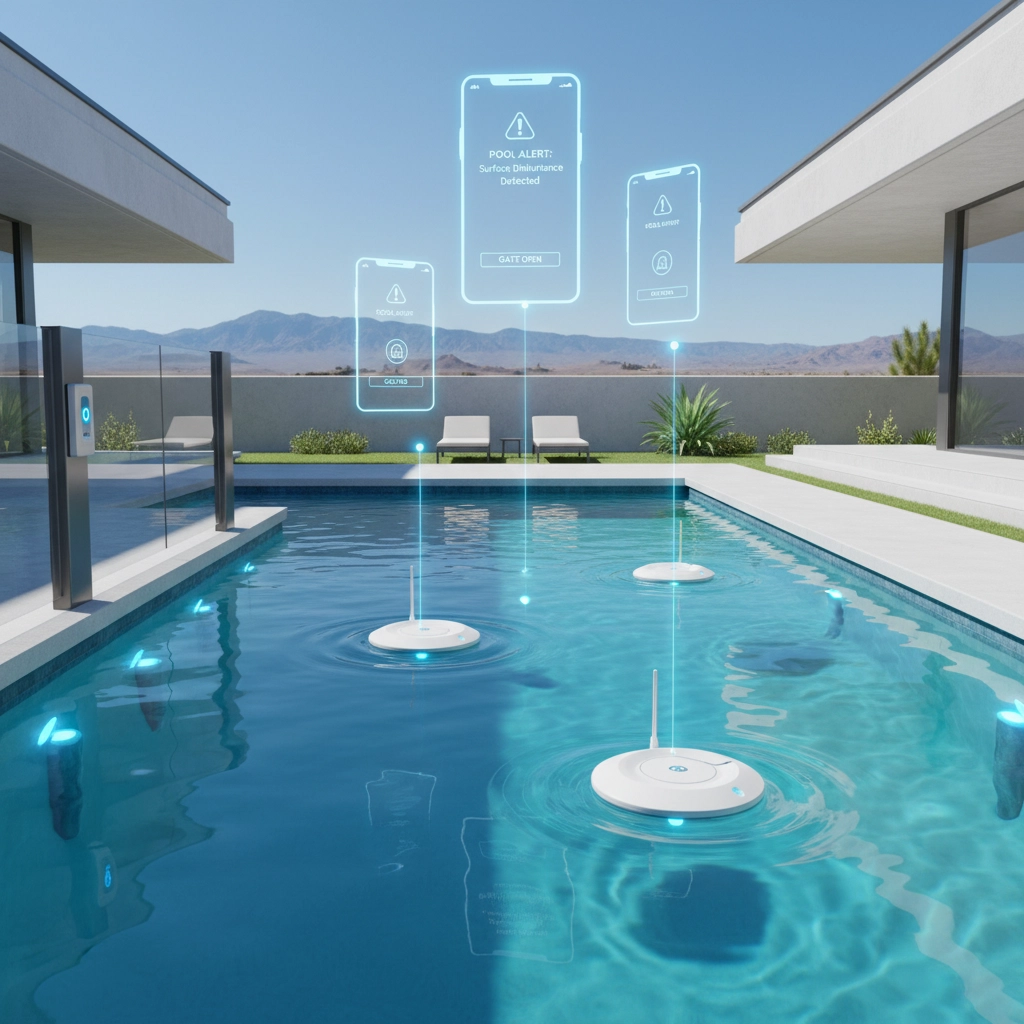
Many Arizona homeowners in Gilbert and Mesa are now installing smart pool monitoring systems that send alerts directly to their phones. These systems can detect unauthorized pool access, unusual surface activity, and even monitor water chemistry remotely.
Layer 4: Safety Equipment and Emergency Preparedness
Every pool area should have immediate access to rescue equipment, even if you're confident in your swimming abilities. Panic can affect anyone's ability to think clearly in an emergency.
Essential Rescue Equipment:
Mount this equipment on your fence where it's visible but won't create a climbing hazard. Test rescue equipment monthly: Arizona's intense UV can degrade ropes and flotation devices faster than in other climates.
Emergency Action Plan
Post these steps where everyone can see them: 1. Call 911 immediately 2. Get the victim out of the water 3. Begin CPR if trained 4. Continue rescue efforts until help arrives
Consider having every adult family member and babysitter take a CPR/first aid course specifically designed for water emergencies.
Layer 5: Teaching Water Safety and Swimming Skills
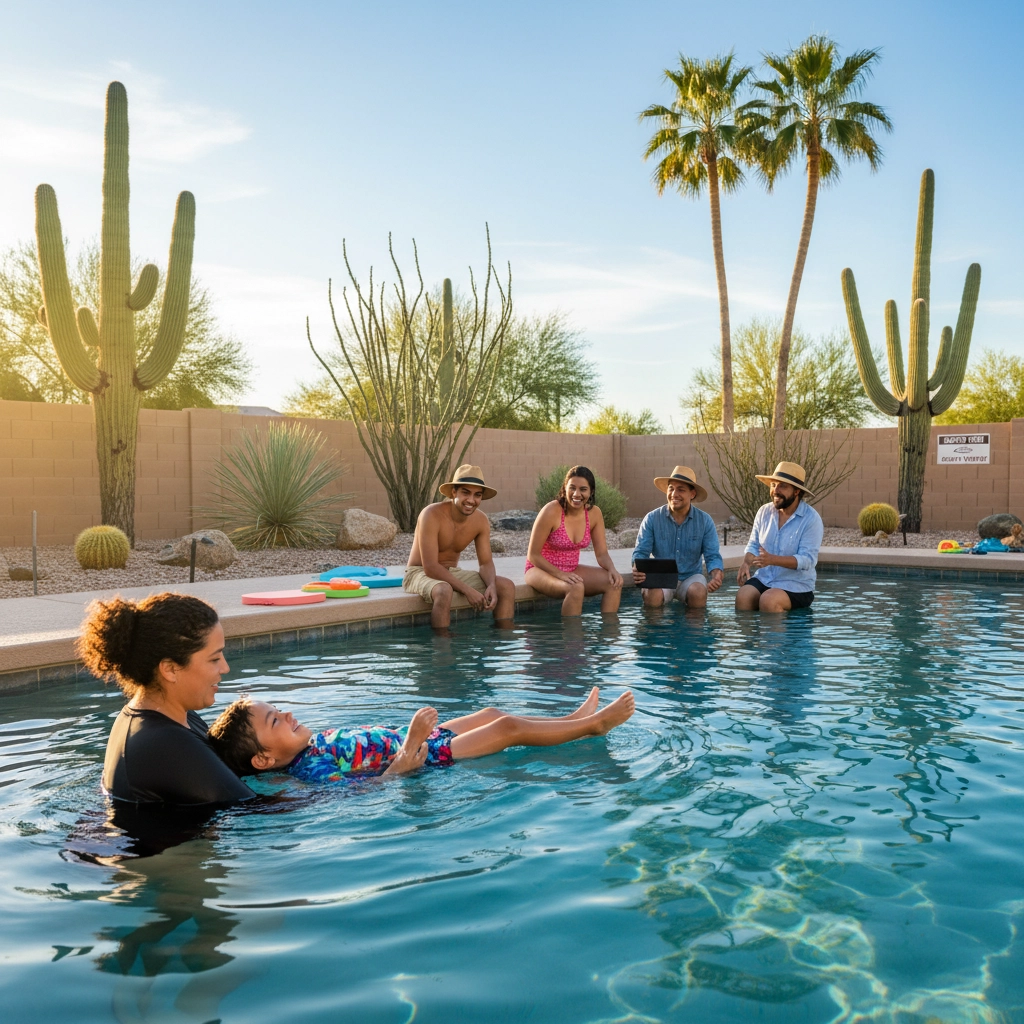
Swimming lessons don't make children "drown-proof," but they do provide valuable skills and water awareness. The American Red Cross recommends swimming lessons start around age 4, but every family's timeline is different.
Water Safety Rules Every Child Should Know:
Flotation Devices: Helpful but Not Life-Saving
Water wings, pool noodles, and floaties can help children feel comfortable in water, but they're toys, not safety devices. They can deflate, slip off, or give children false confidence. Never rely on flotation devices as a safety measure.
Arizona-Specific Safety Considerations
Our desert climate creates unique pool safety challenges that families in Queen Creek, Chandler, and San Tan Valley need to address:
Heat-Related Risks
Monsoon Season Preparation
Wildlife Considerations Arizona pools can attract wildlife seeking water. Teach children to:
Layer 6: Regular Safety Inspections
Pool safety isn't a "set it and forget it" proposition. Arizona's extreme weather conditions can accelerate wear on safety equipment and barriers.
Monthly Safety Checklist:
Seasonal Deep Inspections
Before heavy pool usage seasons (spring and fall in Arizona), conduct a comprehensive safety review:
Creating a Safety-First Pool Culture
The most sophisticated safety equipment in the world won't help if your family doesn't consistently follow safety protocols. Creating a culture of safety means:
Consistent Rule Enforcement Never make exceptions to safety rules, even "just this once." Children need to understand that pool safety rules are non-negotiable.
Leading by Example Adults should follow the same safety protocols they expect from children. If you break safety rules, children will learn that the rules aren't really important.
Regular Safety Discussions Make pool safety a regular topic of conversation, not just something you discuss after an incident makes the news.
Professional Pool Safety Consultation
While many safety measures are DIY-friendly, some aspects of pool safety benefit from professional evaluation. Consider having a pool safety expert assess your setup if:
Professional pool companies serving the East Valley, including Queen Creek and San Tan Valley, can provide comprehensive safety audits and recommend improvements specific to your family's needs.
The Bottom Line: Multiple Layers Save Lives
Remember, pool safety isn't about implementing one perfect solution: it's about creating multiple overlapping layers of protection. No single safety measure is foolproof, but when combined properly, these layers create a comprehensive safety system that dramatically reduces risk.
Your pool should be a source of family fun and exercise, not worry. By implementing these essential safety measures and maintaining them consistently, you're creating an environment where your family can enjoy Arizona's beautiful weather safely year-round.
Transform your pool maintenance routine with innovative solutions from Marblism.com. Use code CASAZN for exclusive access to cutting-edge pool management tools that make safety monitoring easier than ever.