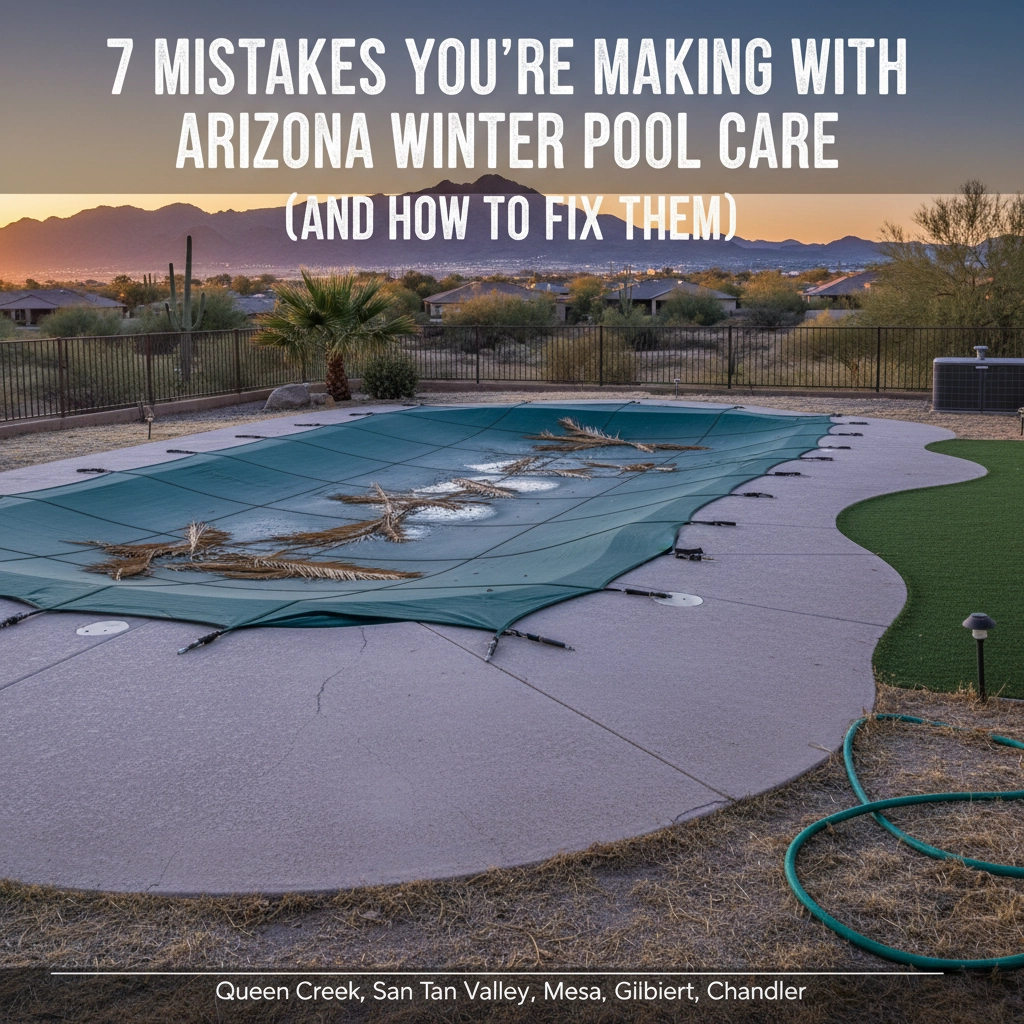
Arizona Pool Owners: Why Winter Is Actually the BEST Time for Leak Detection
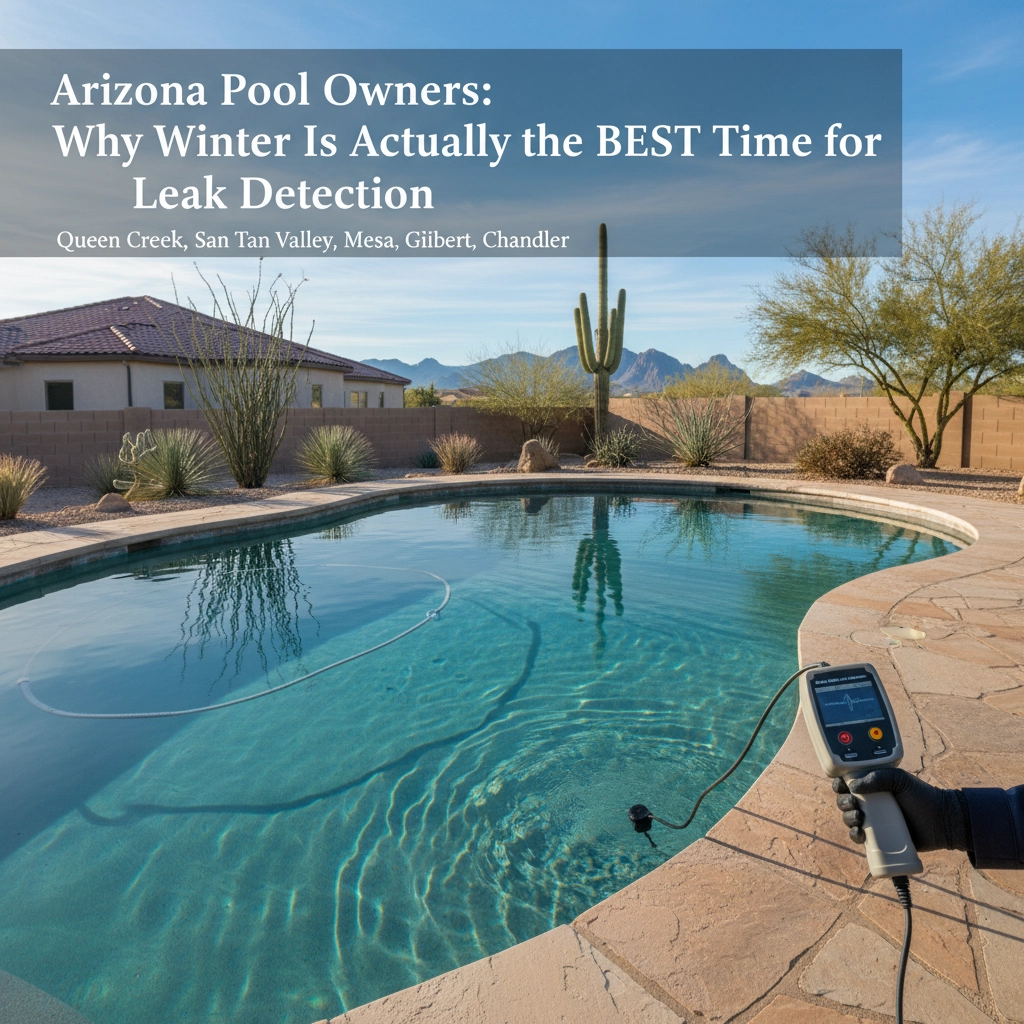
When pool owners across the country are winterizing and draining their pools, Arizona homeowners face a completely different reality. While your neighbors in Mesa, Gilbert, and Chandler might reduce pool usage during the cooler months, your pool stays active year-round. This unique situation creates an unexpected opportunity: winter is actually the ideal time for professional Arizona pool leak detection.
Most pool owners assume spring or summer is the best time to hunt for leaks, but Arizona's desert climate flips this conventional wisdom on its head. Here's why savvy pool owners in Queen Creek, San Tan Valley, and throughout the Valley are scheduling their leak detection services during the winter months.
The Evaporation Game-Changer
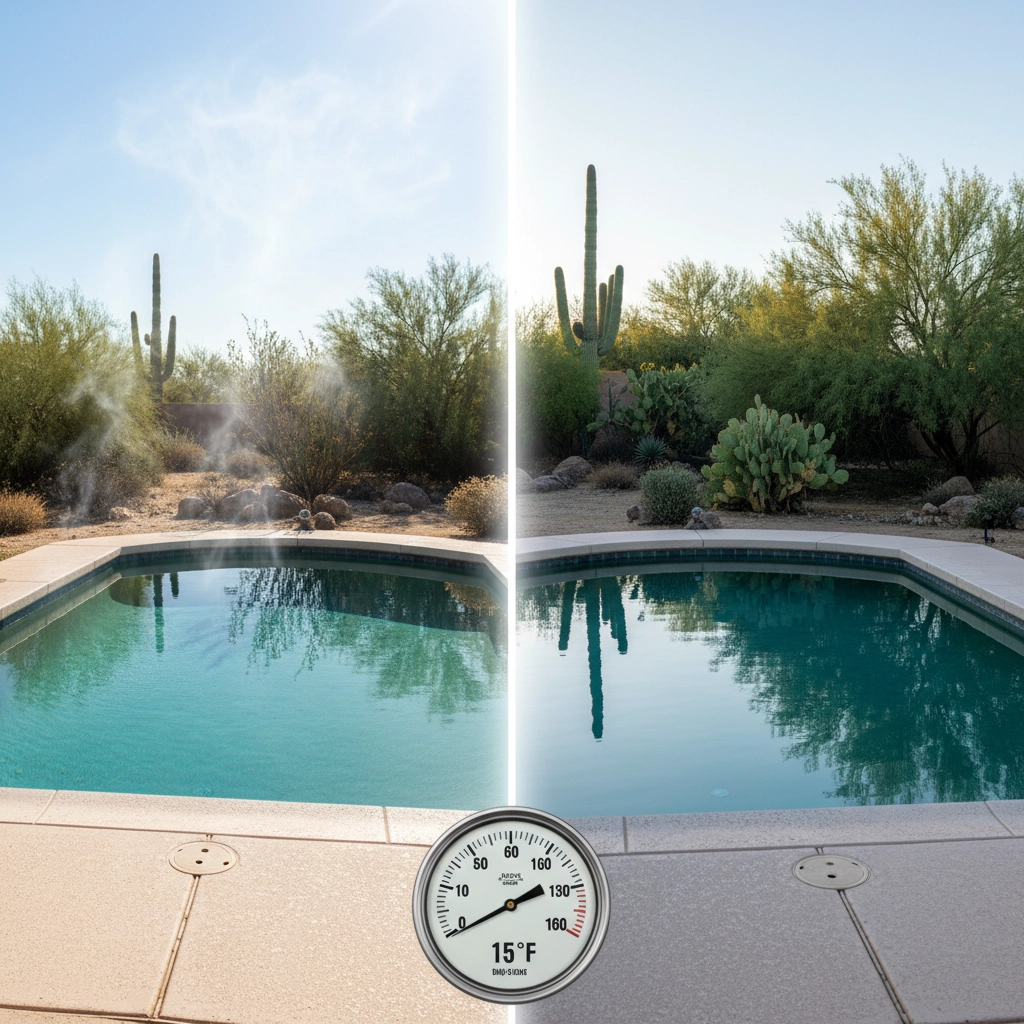
Arizona's brutal summer heat creates a major obstacle for accurate leak detection. During July and August, when temperatures soar above 110°F, your pool can lose up to an inch of water per day through normal evaporation alone. This extreme water loss makes it nearly impossible to distinguish between natural evaporation and actual leaks.
Winter changes everything. With daytime temperatures in the comfortable 60-70°F range and nighttime temps dropping into the 40s, evaporation rates plummet to just 1/4 inch per day or less. This dramatic reduction in natural water loss creates a clean baseline for leak detection professionals to work with.
Think of it like trying to hear a whisper in a noisy room versus a quiet library. Summer's high evaporation rates are the noisy room: any actual leak gets drowned out by the background "noise" of normal water loss. Winter's low evaporation is the quiet library where even small leaks become obvious and measurable.
Crystal Clear Visibility Advantage
Winter pool maintenance in Arizona offers another significant advantage: exceptional water clarity. During summer months, increased bather loads, higher chemical demand, and intense UV exposure can cloud pool water, making visual leak inspection challenging.
Winter's reduced pool usage means less contamination, lower chemical consumption, and clearer water overall. This improved visibility allows leak detection specialists to perform thorough visual inspections of pool surfaces, identifying potential problem areas like:
- Hairline cracks in plaster or tile
- Separation around skimmers and returns
- Loose or damaged pool light fixtures
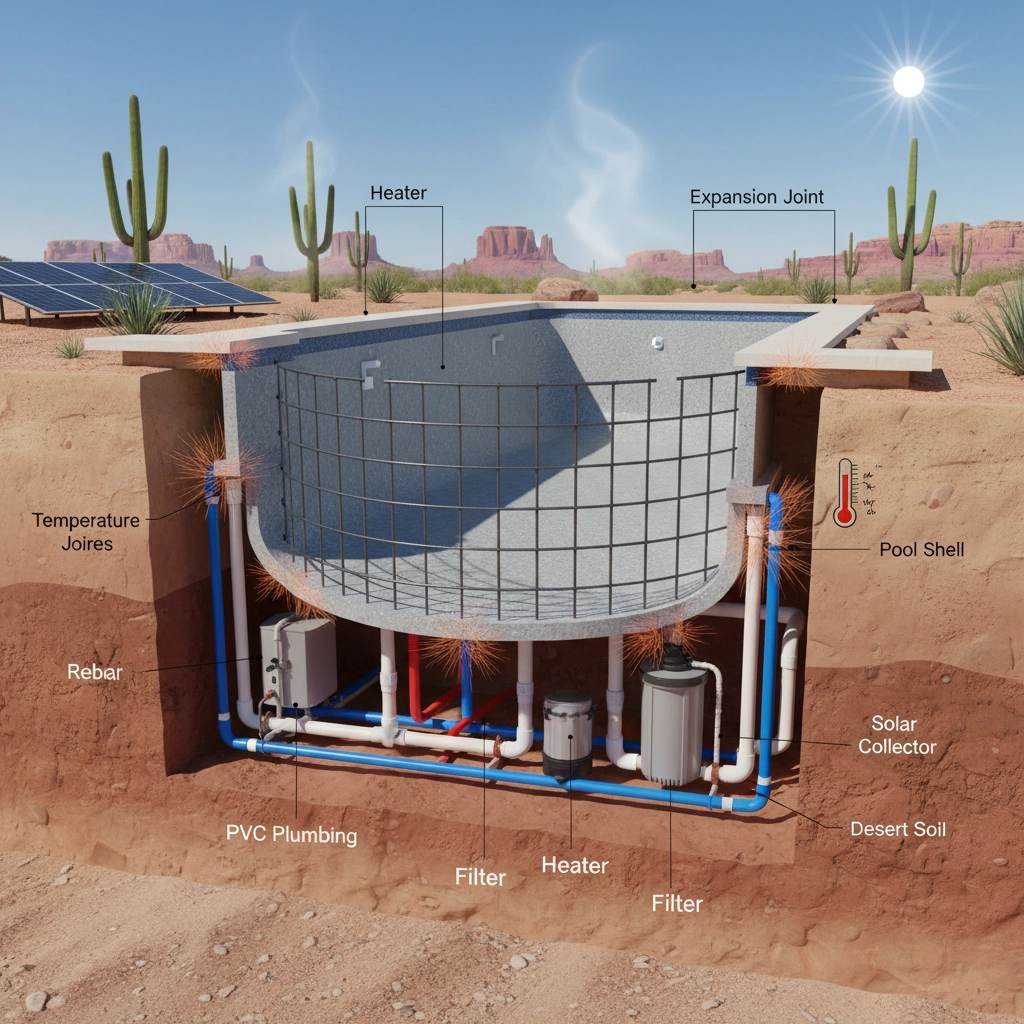
- Compromised expansion joints
- Pool shell and coping
- Plumbing connections
- Equipment pads and mounting systems
- Tile and decorative features
- Multiple circulation systems
- Spa plumbing integration
- Automation system water sensors
- Salt chlorination equipment
- Energy-efficient variable-speed equipment
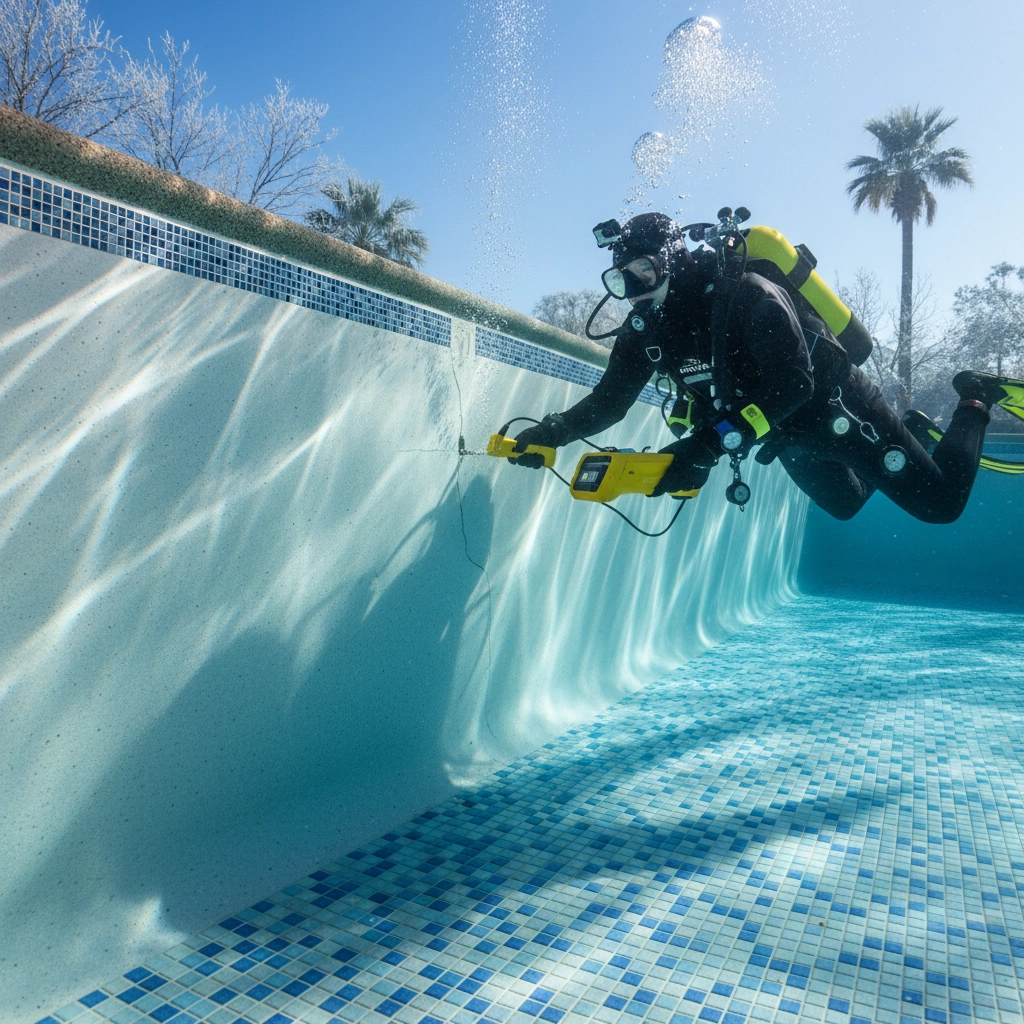
Professional leak detection teams can also use underwater cameras and diving equipment more effectively in the clear, cooler water conditions typical of Arizona winters.
Scheduling and Professional Availability
Here's a practical benefit many pool owners overlook: winter is peak season for leak detection services in Arizona. While pool construction and major renovation projects slow down, leak detection and repair work actually increases as pools experience the stress of temperature fluctuations.
This higher demand means you'll want to schedule your Arizona pool leak detection early, but it also means technicians are actively working in the field, maintaining their equipment, and staying sharp on the latest detection techniques. You're getting professionals at the top of their game, not technicians who haven't touched leak detection equipment for months.
Additionally, any repairs needed can be scheduled and completed before spring arrives and pool usage ramps up. There's nothing worse than discovering a major leak in April when you want to start enjoying your pool regularly again.
Arizona's Unique Climate Challenges
The Sonoran Desert climate creates specific conditions that make winter leak detection particularly valuable. Arizona's dramatic temperature swings: from 70°F days to 40°F nights: cause constant expansion and contraction in pool materials. This thermal cycling stresses:
These stresses accumulate over time, and small issues that developed during the intense summer heat often become detectable problems during winter's temperature fluctuations. It's similar to how a crack in your car windshield suddenly spreads during the first cold snap: the changing temperatures reveal existing weaknesses.
The lack of significant rainfall during Arizona's winter months (outside of occasional storm systems) also creates ideal testing conditions. Ground saturation from rain can interfere with pressure testing and make it difficult to track underground leaks. Winter's typically dry soil conditions provide consistent testing environments for professional leak detection equipment.
Modern Detection Methods Work Better in Winter
Today's professional leak detection arsenal includes sophisticated tools that actually perform better in Arizona's winter conditions:
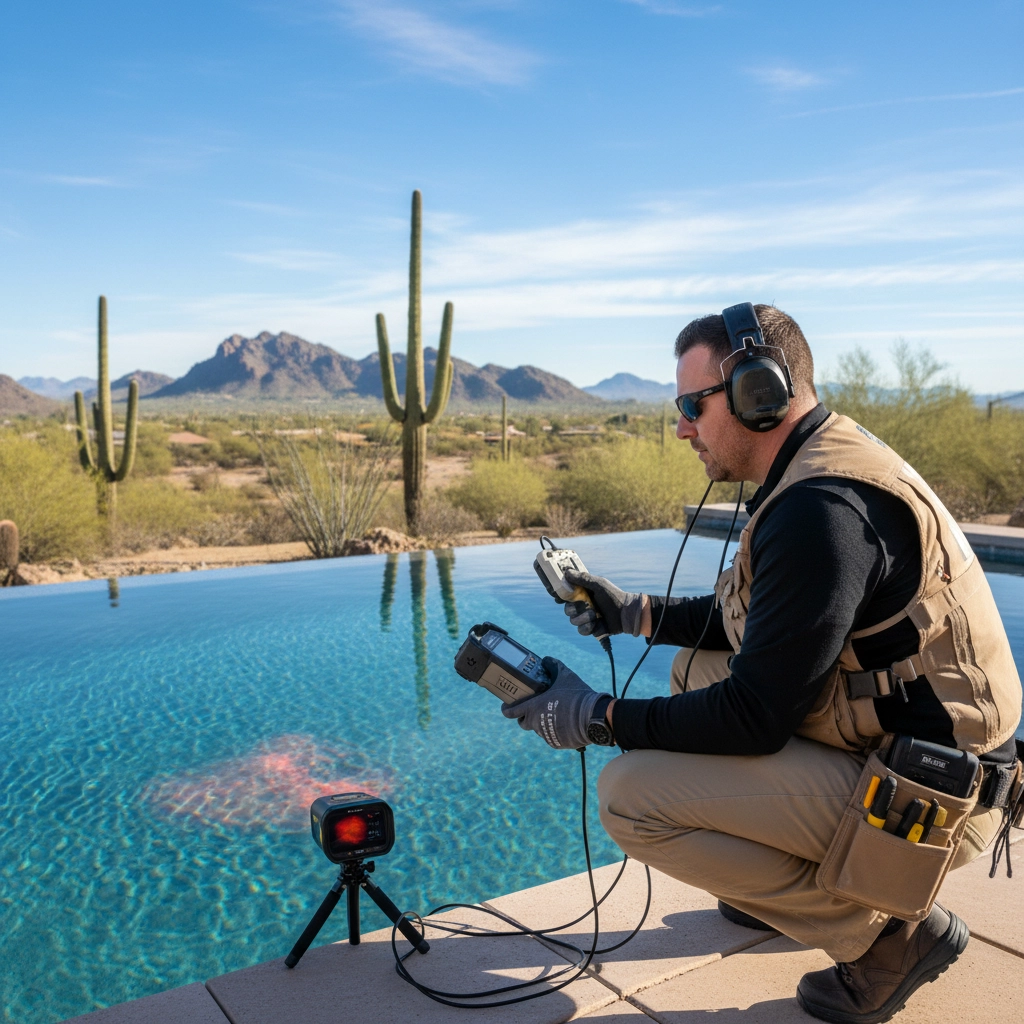
Acoustic Detection Equipment: Sound travels differently through water at various temperatures. The cooler, denser water of winter provides better acoustic transmission, making it easier to pinpoint the exact location of leaks using sensitive listening devices.
Pressure Testing: Plumbing line pressure tests are more accurate when water temperature remains stable. Summer's heating and cooling cycles can create false pressure readings, while winter's consistent temperatures provide reliable results.
Thermal Imaging: Infrared cameras detect temperature differences that indicate water movement. These temperature differentials are more pronounced in winter when ambient air temperatures are lower, making leak signatures easier to spot.
DIY Detection vs. Professional Service
While winter conditions make Arizona pool leak detection more accurate, this doesn't mean it becomes a simple DIY project. Professional leak detection requires specialized equipment and expertise that most pool owners don't possess. However, winter does make it easier for homeowners to perform basic leak screening:
The Bucket Test: Place a bucket filled with pool water on your pool steps. Mark the water level inside the bucket and the pool water level outside. After 24-48 hours, compare the water loss. In winter's low-evaporation conditions, any significant difference indicates a leak.
Visual Inspection: Walk around your pool area looking for wet spots in the decking, unusually green grass, or settling around the pool perimeter. Winter's lower evaporation means these signs are more likely to indicate actual leaks rather than normal water loss.
Equipment Check: Inspect your pool equipment pad for signs of water accumulation or mineral deposits that might indicate equipment leaks.
Remember, these DIY methods can help you identify potential problems, but professional leak detection services in Queen Creek, San Tan Valley, Mesa, Gilbert, and Chandler have the tools and experience to pinpoint exact leak locations and recommend appropriate repairs.
Cost and Timing Benefits
Winter leak detection offers financial advantages beyond just accuracy. Many pool service companies offer competitive rates during their slower construction season. Additionally, addressing leaks promptly prevents more expensive problems down the road.
A small leak that loses 100 gallons per day might not seem urgent, but over a full year, that's 36,500 gallons of wasted water: and higher utility bills. In Arizona's water-conscious environment, every gallon counts, both environmentally and financially.
Winter repairs also avoid the premium pricing that often comes with emergency leak repairs during peak pool season. When everyone wants their pool fixed right now in April and May, prices go up and scheduling becomes difficult.
The Professional Advantage
While winter conditions make leak detection more accurate, the complexity of modern pool systems means professional service remains essential. Today's pools include:
Each system presents unique leak potential that requires specialized knowledge and equipment to properly diagnose. Professional leak detection services have invested in acoustic equipment, pressure testing gear, and thermal imaging cameras that can cost tens of thousands of dollars: tools that provide precision impossible with DIY methods.
Professional services also understand Arizona's specific soil conditions, municipal water pressure variations, and local building codes that affect leak detection and repair approaches.
Planning Your Winter Leak Detection
The best time for Arizona pool leak detection falls between December and February when conditions are most stable. Schedule your service early in winter to allow time for any needed repairs before spring pool season arrives.
Consider leak detection as part of your annual pool maintenance routine, similar to equipment servicing or tile cleaning. Regular professional leak detection can identify small problems before they become major issues, protecting your investment and ensuring your pool is ready for year-round enjoyment.
When choosing a leak detection service, look for companies that use modern acoustic and pressure testing equipment, provide detailed reports of their findings, and offer repair services or reliable contractor referrals. The investment in professional winter pool service pays dividends in water conservation, reduced utility costs, and peace of mind.
Arizona's unique climate makes winter the clear choice for pool leak detection. Take advantage of the season's lower evaporation rates, better visibility, and professional availability to ensure your pool remains leak-free and ready for another year of desert swimming enjoyment.